

“We should never mention our competitor in any of our communications.’’
It’s one of those classic corporate commandments. The logic? It gives away too much brand awareness and hands free exposure to the exact audience you’re fighting for.
To that, I say: Pfft. Ever heard of the Coke vs Pepsi marketing wars?
Yes, the golden rule of communications is to keep your own brand front and centre to maximise your media spend. But there is something deeply strategic about hijacking pop-culture moments. It all comes down to understanding the nuances of entertainment in advertising. If your audience is actually entertained by your brand, whether on social media or traditional channels, the likelihood of you being remembered rises exponentially.
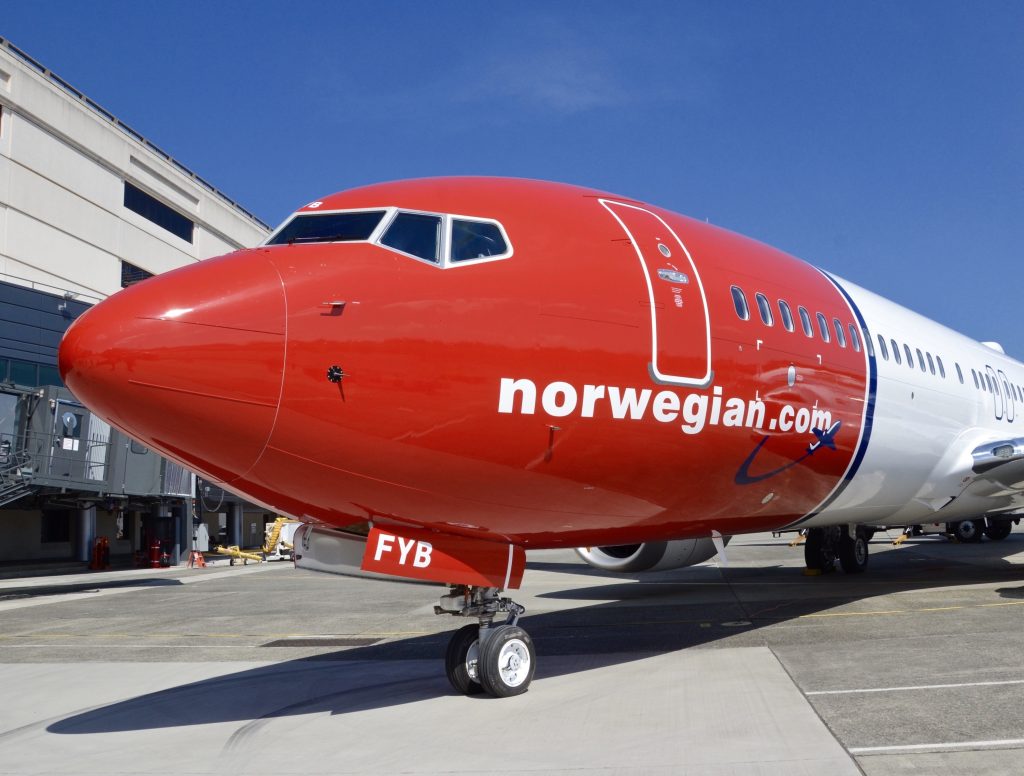
Norwegian Air has entered the chat. Literally.
The David vs Goliath Strategy
Here we have a challenger airline holding a modest 2.5% market share in Europe, going toe-to-toe with an absolute titan like British Airways. We won’t get into the revenue disparities (and what that subsequently does for marketing budgets). Let’s just move on.
This David vs Goliath tactic of publicly calling out your competitor isn’t exactly a ‘major breakthrough’ like Alexander Graham Bell inventing the telephone. Though, in some long-winded way, I suppose we can thank Mr. Bell for bringing this to our attention. He walked so Bill Gates could sprint, you understand what I mean.
Back to the present. Norwegian Air openly called out British Airways in a social media war on Instagram this past week. A bet. A wager. And the stakes? Astronomically high for a brand guardian.
The terms are simple: whichever airline represents the losing country in the upcoming World Cup fixture between Norway and England has to change their profile picture and logo to the rival brand’s identity for a full day. That is a pretty significant bet, because let’s face it, your logo is everything.
The engagement on the post went completely through the roof, racking up over 112,000 likes and thousands of comments in just a few days. British Airways, notoriously one of the safest-sounding, most buttoned-up brands in the world, duly accepted the challenge with a cheeky response that pulled in over 35,000 likes. It’s on.
Making Social Media Social Again
After first preaching about the challenger strategy, debunking the theory of never mentioning your competitor, and somehow crediting Alexander Graham Bell for this piece of content, my final glory point on this campaign is the art of remaining culturally relevant.
Right now, the World Cup is being spoken about in every office, pub, and crèche globally. In the words of Gen Z: the World Cup is it.
Sure, both Norwegian and British Airways are enjoying the incremental revenue benefits of qualifying for the tournament in the States, jetting millions of their fans across the Atlantic. (Should’ve been Aer Lingus, says the bitter Irish agency in me, but I will continue before the waterworks start again).
But what they’ve really done is encapsulate the social audience with a simple bet. Sport is synonymous with betting – having a laugh with a mate over a fiver. Nothing mad, nothing hectic, just pure social fun. Norwegian has finally taken the ‘social’ back to social media. Let’s not forget what these platforms were actually made for: socialising online. Which is exactly what they did.
By using a culturally relevant event to promote the brand, it means that no matter who wins the game on the pitch, the Norwegian social media team has already won the marketing game.
Hopefully, in 2030, they’ll call out Mr. O’Leary as Ireland enters the chat. Too far? Anyway. We’ve noted this strategy. Making social media ‘social’ again as the challenger brand. Bold move.
They must’ve got hold of the MNG handbook!
